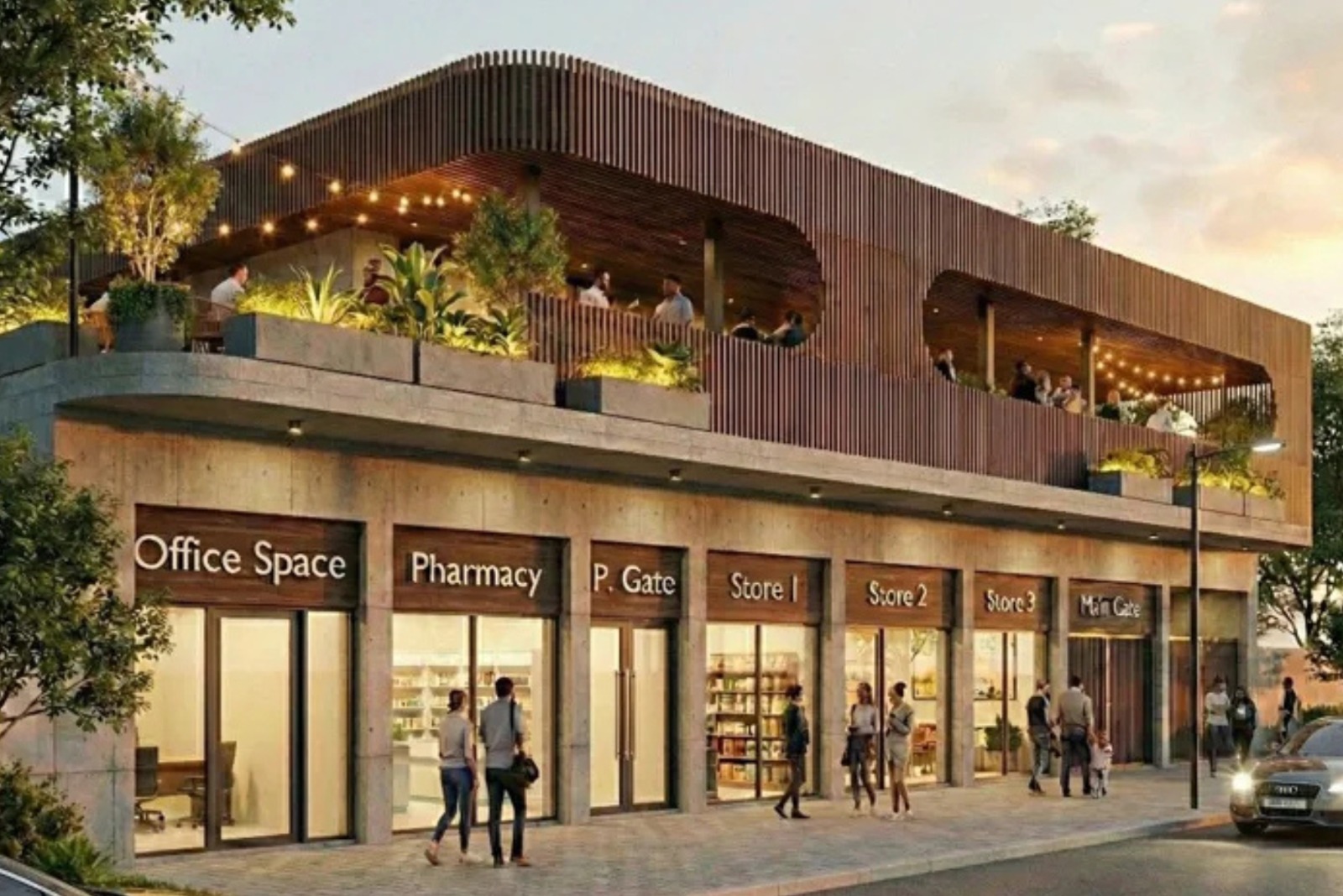
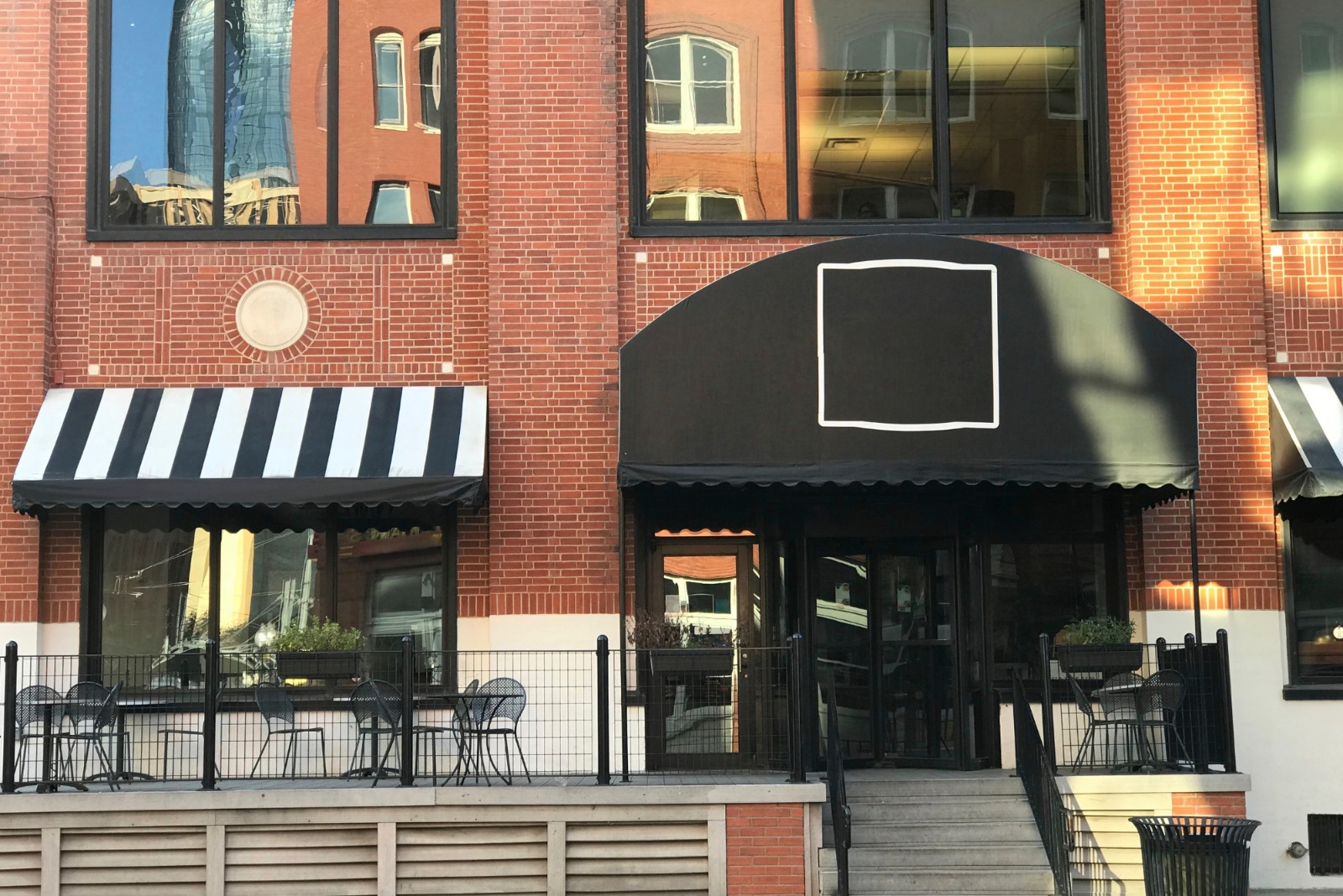
Undervalued retail land development opportunities are parcels priced below their true income potential—typically because of overlooked location fundamentals, untapped entitlement upside, or excess land that can be sold off to generate equity once a site is developed. In 2026, the strongest concentration of these opportunities sits in Texas, where population growth, low build costs, and business-friendly land policy allow developers to create more value per dollar than almost anywhere else in the country.
At Blazing Hospitality, this is the entire premise of our work: unlocking the potential of undervalued and underutilized properties across the Dallas-Fort Worth metroplex and greater Texas, and transforming them into high-value retail assets, so our investors can build lasting wealth without managing a single tenant. This guide explains what “undervalued” really means, why Texas outperforms high-cost coastal markets, and how passive investors participate in these deals.
What Makes Retail Land “Undervalued”?
A retail parcel is undervalued when its purchase price is low relative to the net operating income and equity a finished project could realistically produce. Three factors usually create that gap:
- Overlooked location fundamentals — strong daytime population, traffic counts, or nearby rooftops that comparable sales haven’t priced in yet.
- Entitlement and zoning upside — land that can be rezoned, subdivided, or developed at a higher intensity than its current use suggests.
- Excess or underutilized land — sites with more acreage than the anchor project needs, where the surplus can be sold or repositioned to generate equity and reduce the effective basis.
The strongest deals combine all three: a low basis, a clear path to higher-value use, and surplus land that pays down the cost of the entire project.
Why Texas Leads the Nation for Undervalued Retail Land
Texas has quietly become the most efficient retail development market in the U.S. The fundamentals are hard to argue with:
- Retail is the top-performing asset class. Over the past five years, retail has outperformed office and industrial across Texas, with major-metro vacancy sitting well below 20-year averages.
- Low land and construction costs. Texas land costs let developers build larger footprints for a given budget—a structural advantage coastal markets can’t match.
- Relentless population growth. Texas has passed 31 million residents and keeps adding people faster than retail supply can keep up, pushing retail space per person down even as total inventory grows.
- Constrained new supply. Statewide retail inventory is forecast to grow just ~0.8% in 2026, keeping vacancy tight and supporting 1–2.5% rent growth.
- No state income tax, light regulation. A lower personal tax burden means more consumer spending power, and permissive land-use rules shorten development timelines.
Together, these create exactly what undervalued opportunities need: rising demand, limited supply, and a low cost to build.
Texas Retail Metros at a Glance
| Metro | Avg. retail asking rent ($/SF/yr) | Retail vacancy | 2026 forecast rent growth |
| Austin | $26.40 | ~3.6% | +2% |
| Dallas–Fort Worth | $25 | ~5.1% – ~5.4% | +3% |
| Houston | $21.28 | ~5.6% | +1.5% |
| San Antonio | $19.45 | ~4.2% | +1.5% |
Figures are recent metro-wide averages; prime infill corridors command more. DFW—our home market—carries the largest development pipeline of the four.
Texas vs. Coastal Markets: Why the Math Favors Texas
Compare a core Texas parcel—say, Houston’s downtown 77002—against premium coastal retail districts, and the difference in investor economics becomes obvious.
| District (ZIP) | Land/entry cost | Zoning & entitlement friction | Development yield potential | Demand growth |
| Houston, TX (77002) | Moderate | Very low — Houston has no formal zoning | Higher | Strong |
| Chelsea, Manhattan (10011) | Highest in the U.S. | Very high | Compressed | Flat |
| Brickell, Miami (33130) | Very high | High | Compressed | Moderate |
| Downtown LA (90015) | Very high | High | Compressed | Moderate |
Manhattan consistently posts the highest commercial real estate prices in the country, and prime coastal retail commands some of the steepest rents and land values anywhere. Those numbers can work for trophy owners, but they leave almost no margin for ground-up retail land development. In Houston’s 77002 and comparable Texas submarkets, an operator can acquire land, entitle it quickly, sell excess acreage, and hit a return that coastal markets simply can’t deliver at today’s cap rates.
The takeaway: coastal markets reward those who already own; Texas still rewards those who build.
How Investors Profit from Undervalued Retail Land
You don’t need to be a developer to benefit from these opportunities. Passive investing in commercial real estate lets you own a share of institutional-quality retail projects while an experienced operator handles acquisition, entitlement, construction, leasing, and disposition. The returns typically come from three sources:
- Equity from excess land sales. When a site carries more land than the retail anchor requires, selling the surplus generates equity and lowers the basis for everyone in the deal—the core of the Blazing Hospitality value-creation model.
- Appreciation and rent growth. As tight Texas supply meets rising demand, well-located centers appreciate and command higher rents over the hold period.
- Passive income distributions. Stabilized, leased retail produces regular cash flow—income you receive without the burden of direct ownership or property management.
On top of that, retail real estate offers benefits investors rarely find in the stock market: intrinsic, tangible value that limits downside; tax advantages through depreciation and reinvestment strategies; a natural inflation hedge, since property values and rents tend to rise with prices; and portfolio diversification across multiple projects and locations. Just as important, these projects create jobs and strengthen the communities they serve.
How Blazing Hospitality Identifies Undervalued Retail Land
Sourcing genuinely undervalued retail land development opportunities is where local expertise earns its keep. Our team currently has 15 active projects, 225,000 square feet of retail under development, and 70 acres of commercial land in the pipeline, with a combined $150M projected exit value—and every deal starts with the same disciplined screen:
- Follow the rooftops. We track residential permits and build-to-rent activity; retail demand typically trails new housing by 12–24 months.
- Buy in the path of infrastructure. New highway interchanges and utility extensions unlock parcels before comparable sales adjust.
- Prioritize grocery-anchored formats. Community centers anchored by grocers are the workhorse of Texas retail—and the most financeable.
- Underwrite entitlement and excess-land upside. A parcel we can subdivide, intensify, or partially sell carries value the sticker price ignores.
- Capture second-generation space. National retailer bankruptcies free up well-located boxes that backfill quickly at higher rents.
- Value-engineer and stress-test the yield. With inline build-out costs near $155/SF and interest rates still elevated, we confirm every deal pencils before optimism drives the offer.
The Four Texas Metros We Watch
- Dallas–Fort Worth (our home market)
DFW holds the largest retail construction pipeline in Texas and the strongest forecast rent growth of the four metros—roughly 3% for 2026. Grocery-anchored community centers near new suburban rooftops remain the most reliable value-add format, and it’s where our own portfolio is concentrated.
- Houston (77002 and beyond)
Houston pairs energy-sector wealth with the most flexible land-use environment in the country—there is no formal zoning code, which compresses entitlement timelines dramatically. The downtown 77002 core and surrounding growth corridors offer redevelopment, and infill plays as residential density climbs.
- San Antonio
Steady population gains plus the lowest average rents of the big four (about $23/SF) mean a low basis with room for rent appreciation—especially across fast-growing north and west submarkets.
- Austin
Austin commands the highest retail rents in Texas (around $32/SF) on the strength of its tech economy and tight ~3.4% vacancy. Entry costs run higher, but so does pricing power for well-located pad sites.
Frequently Asked Questions
Q: What are undervalued retail land development opportunities?
A: They’re retail parcels priced below the income and equity a completed project could generate—usually because of overlooked location strengths, entitlement upside, or excess land that can be sold to lower the basis.
Q: Can I invest in retail land development without becoming a developer?
A: Yes. Through passive investing, you own a share of a retail development project while an experienced operator handles acquisition, construction, leasing, and sale. You receive distributions and a share of the equity without managing anything directly.
Q: How do investors make money from undervalued retail land?
A: Three ways: equity generated by selling excess land, appreciation and rent growth over the hold period, and passive income distributions from leased, stabilized retail—plus tax advantages from depreciation.
Q: Where are the best undervalued retail land opportunities in Texas?
A: Dallas–Fort Worth, Houston (including the 77002 core), San Antonio, and Austin all offer strong fundamentals. DFW leads on pipeline and rent growth, San Antonio on low basis, Austin on rent levels, and Houston on entitlement speed.
Q: Why is Texas better than New York, Miami, or Los Angeles for retail land development?
A: Texas offers far lower land and construction costs, lighter regulation, faster entitlements, and stronger population growth—so ground-up projects hit returns that compressed coastal markets like Chelsea (10011), Brickell (33130), and Downtown LA (90015) can’t match.
Q: Is retail a good investment in 2026?
A: Yes. Retail has been the best-performing commercial asset class in Texas and much of the U.S. over the last five years, with tight vacancy and steady rent growth forecast to continue through 2026.
Conclusion: Build Lasting Value With Blazing Hospitality
Blazing Hospitality develops and repositions commercial real estate across the Dallas–Fort Worth metroplex and greater Texas, turning undervalued and underutilized land into high-value retail assets for our investors. If you’re ready to explore undervalued retail land development opportunities in Texas through passive investment, we’d like to hear from you.
For Investment Inquiries: Please call or text (682) 285-1600, or email info@blazinghospitality.com
For Development or Property Management Inquiries: Please call or text (682) 285-1600
Market data referenced from the Texas Real Estate Research Center (Texas A&M), Partners Real Estate, and Cushman & Wakefield, 2025–2026. Project figures reflect Blazing Hospitality’s current development pipeline.