For two decades, the story of North Texas real estate has been a steady march northward.
Development that once stopped at the edge of Dallas has climbed through Plano and Frisco and now reaches Prosper and Celina—the fastest-growing city in the United States in 2025, according to U.S. Census Bureau data. Each step outward has rewarded the people who owned land before the crowds arrived.
That pattern is the essence of land development: acquiring acreage while it is still priced for what it is, not for what it will become. Undervalued land development opportunities in North Texas are parcels priced below the value they could produce once developed—usually because they sit ahead of the path of growth, hold unused entitlement potential, or have a higher and better use than their current one.
Knowing where the next rung of that ladder sits, and how to separate a real opportunity from a costly one, is what turns a promising parcel into a profitable project.
The Ladder Moving North
North Texas has expanded in recognizable stages. Local brokers often describe it as rungs on a ladder: growth moved from North Dallas to Plano, then Frisco, then Prosper, and now Celina, with each community absorbing demand as the one before it filled in.
The figures behind that climb are hard to ignore:
- Four of the five fastest-growing cities in the country in 2025 were North Texas suburbs, led by Celina, which grew 24.6% in a single year to more than 64,000 residents.
- Collin County added roughly 43,000 residents in a year, bringing its population close to 1.3 million.
- Homebuilders keep pushing north in large part because land is more affordable farther out, which steadily raises values along the path they follow.
- Major employers reinforce the trend. Texas Instruments’ semiconductor complex in Sherman—a potential investment of up to $40 billion across four fabrication plants (fabs), supporting about 3,000 direct jobs—began production at its first fab in December 2025, pulling housing and retail demand into Grayson County.
The consistent lesson for land buyers: value is created by getting ahead of the next rung, then holding or developing as growth catches up.
Three Tiers of North Texas Land
Developable land does not all look the same. Across the region, parcels tend to fall into three tiers, each with a different risk and return profile.
| Tier | Where it’s found | Typical play | Profile |
| Urban infill | Established city cores | Redevelop or reposition small sites | Lower risk, higher land cost |
| Maturing suburbs | Built-out growth cities | Remaining tracts and pad sites | Moderate risk, steady demand |
| Growth frontier | Outer-ring cities | Raw land ahead of rooftops | Higher risk, wider upside |
Urban Infill Cores: Dallas (75201) and Fort Worth (76102)
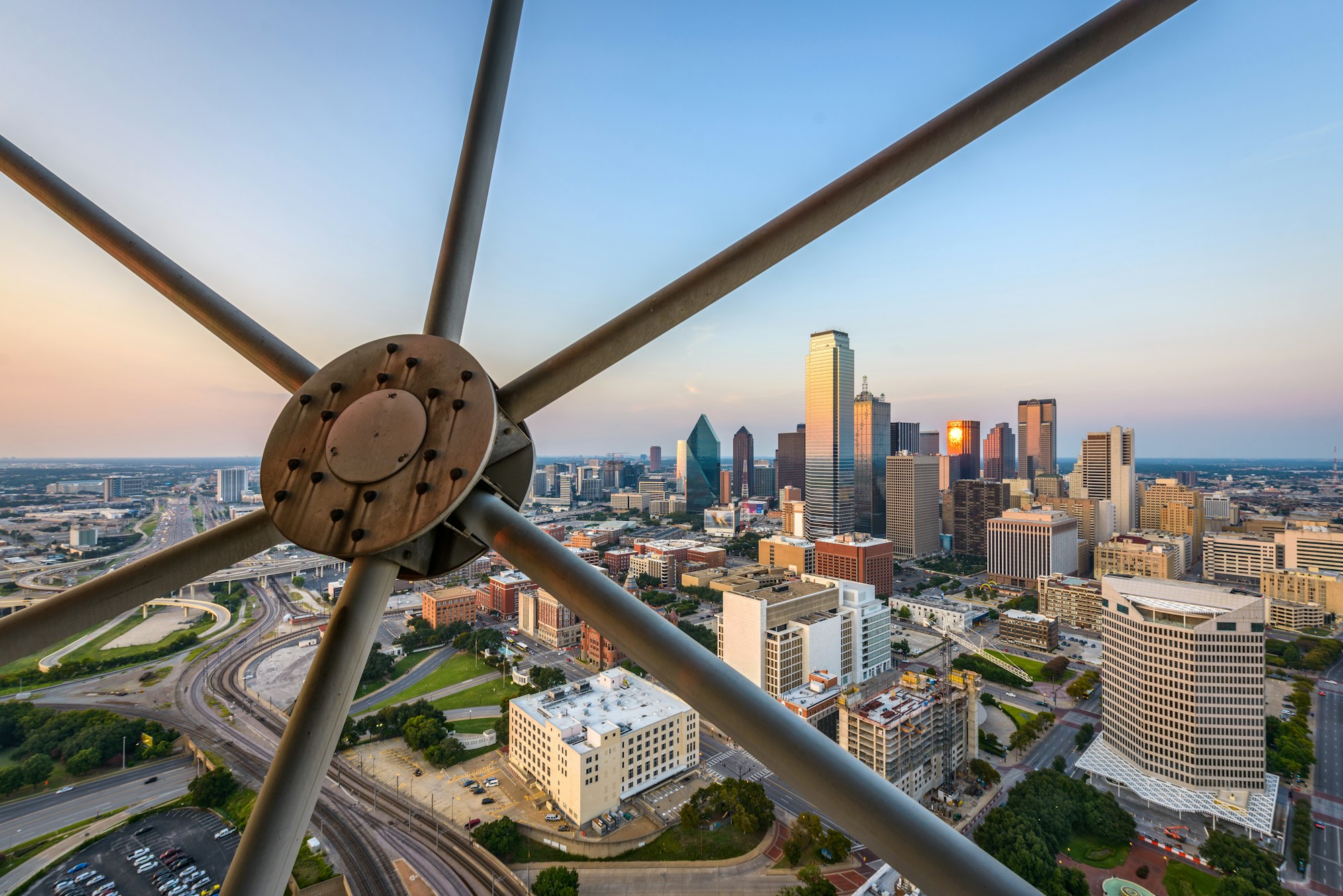
Downtown Dallas (75201) and Downtown Fort Worth (76102) hold little raw land but plenty of underused sites. Infill development—building on vacant or dated parcels inside an already-developed area—converts aging lots into mixed-use, retail, or residential space. Land costs run higher here, but existing demand is already in place.
Maturing Suburbs: Frisco (75034), Plano (75024), McKinney (75069), and Allen
These cities have grown into regional destinations. Frisco (75034) and Plano (75024) anchor major corporate and retail activity, McKinney (75069) ranks among the nation’s leaders in numeric population growth, and Allen offers an established, high-income base. Opportunity here centers on the last remaining tracts and pad sites—small parcels sold to individual users such as restaurants, banks, or convenience stores—in high-traffic corridors.
The Growth Frontier: Prosper, Celina, Denton (76201), and Sherman (75090)
This is where raw land still trades ahead of full demand. Prosper and Celina, which span Collin and Denton counties, are absorbing the northward wave. Denton (76201) anchors the I-35 corridor with university-driven growth, and Sherman (75090) is riding semiconductor investment in Grayson County. Frontier land carries more timing risk, but it also offers the widest margin between today’s price and tomorrow’s value.
Reading the Signals—and the Red Flags
A low price alone does not make land a good investment; cheap parcels are often cheap for a reason. Skilled buyers look for specific signs of hidden value—and specific warnings.
Signs of genuine upside:
- Path-of-growth location, where new rooftops, schools, and roads are arriving, but pricing has not adjusted.
- Entitlement upside—land that can be rezoned, subdivided, or built at higher intensity. Entitlements are the permits and approvals that the government requires a site to have before construction.
- A higher and better use than the current one, such as retail or higher-density housing on an underused site.
- Planned infrastructure, like utilities or highway access, that will raise value once complete.
Red flags that erode value:
- No access to water, sewer, or paved roads, which makes development slow and costly.
- Floodplain, wetlands, or environmental constraints that limit what can be built.
- Restrictive zoning with no clear path to approval.
- Weak local absorption—too little demand to fill what gets built.
Weighing both sides is how disciplined buyers find real undervalued land development opportunities in North Texas rather than parcels that only look like bargains.
From Acreage to Asset: How Land Value Is Created
Turning a promising parcel into a profitable project follows a lifecycle, and value can be added—or lost—at each stage.
- Acquire on the right basis. Basis is the total cost of buying the land; a disciplined entry price protects every later step.
- Establish intrinsic value. Blazing Hospitality weighs three factors—current value, highest and best use (the most productive, legally permitted, financially feasible use), and projected future value—drawing on comparable sales, infrastructure plans, and demographic trends.
- Secure entitlements. Rezoning, platting, and approvals often produce the single largest jump in value, because entitled land can actually be built.
- Arrange financing and develop. Entitled land frequently appreciates enough to cover the loan down payment, reducing the additional capital required.
- Realize value. Surplus entitled land and individual pad sites can be sold to generate equity while the core project is built, leased, and held or sold.
Every stage carries risk, and outcomes depend on entitlements, financing, and market timing—but this sequence is how raw acreage becomes an income-producing asset.
Inside Blazing Hospitality’s North Texas Strategy
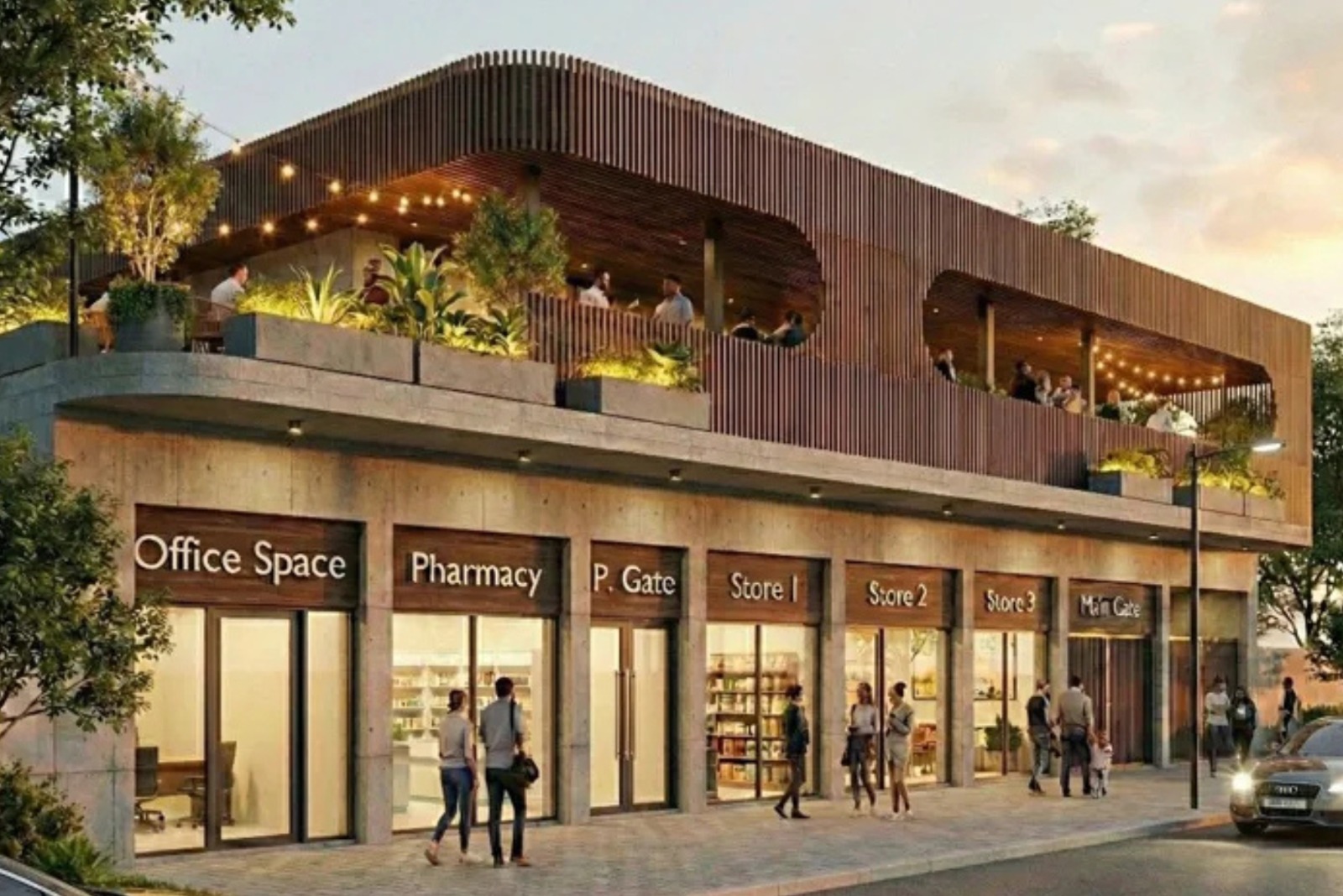
Blazing Hospitality is a Dallas–Fort Worth commercial real estate and retail land development firm that concentrates on undervalued or underutilized properties. Instead of paying full price for finished assets, the firm targets sites where location and entitlements can be improved, then develops high-visibility, grocery-adjacent retail strips of roughly 15,000 to 20,000 square feet—often within the commercial reserves of master-planned communities (large, pre-designed developments that blend housing, retail, and amenities).
Its work in Saginaw, in Tarrant County, shows the approach in practice. The firm acquired a long-vacant parcel at 1005 N. Saginaw Blvd, worked with the city through a Chapter 380 economic development agreement, and built Shops at Main Street, an 8,000-square-foot multi-tenant center now anchored by national brands including Tim Hortons and Firehouse Subs. An underused lot became a productive property that added tax revenue and jobs.
Questions Buyers Ask About North Texas Land
Q: How can investors identify promising land investment opportunities?
A: Investors can identify undervalued land development opportunities in North Texas by focusing on path-of-growth submarkets where infrastructure, population growth, and new development are driving future demand. This includes outer-ring cities such as Prosper, Celina, and Sherman (75090), remaining tracts in maturing suburbs like Frisco (75034) and McKinney (75069), as well as strategically located infill sites in Dallas (75201) and Fort Worth (76102). These areas often offer strong long-term development potential before land values fully reflect market growth.
Q: Is raw land a good investment in North Texas?
A: It can be, given the region’s population and job growth, but raw land produces no income until it is developed or sold. Returns depend on entitlements, holding costs, financing, and timing, so careful analysis matters.
Q: What are entitlements, and why do they affect land value?
A: Entitlements are the permits and approvals—zoning, platting, site plans—required before a property can be developed. Securing them often produces the largest single increase in a parcel’s value.
Why is Sherman drawing developer attention?
A: Texas Instruments’ semiconductor complex in Sherman—up to $40 billion across four fabs—began production in December 2025 and is expected to support about 3,000 direct jobs, raising demand for housing, retail, and developable land in Grayson County.
Can someone invest in land development without managing a project?
A: Yes. Passive investment lets an investor own a share of a managed development and receive distributions and equity without handling acquisition, entitlements, or construction.
Start a Conversation About North Texas Land
Identifying the next rung on the ladder—and underwriting it correctly—takes local knowledge and hands-on experience with entitlements and development. Blazing Hospitality works with developers, investors, and business owners evaluating land across North Texas and welcomes questions about current opportunities.
For Investment Inquiries: Please call or text [(682) 285-1600](tel:(682) 285-1600), or email info@blazinghospitality.com
For Development or Property Management Inquiries: Please call or text [(682) 285-1600](tel:(682) 285-1600)
Blazing Hospitality is a Dallas–Fort Worth commercial real estate and retail land development firm led by Founder and CEO Smit Shah, focused on transforming undervalued or underutilized properties into high-value assets across North Texas. Market data referenced from the U.S. Census Bureau (2025 population estimates) and Texas Instruments, 2025–2026.